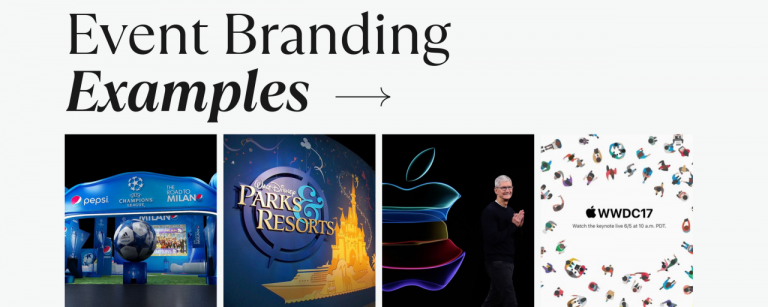
Branding zone brings forth a captivating exploration of how brands can carve out a unique identity in today’s saturated market. It’s not just about logos or taglines; it’s a holistic approach that encompasses every touchpoint a customer has with a brand.
In this guide, we will delve into the various components that make up a branding zone, the elements of effectiveness, and strategies to build a robust presence that resonates with consumers. Understanding these facets can empower businesses to elevate their branding strategies and achieve lasting success.
Understanding the Concept of a Branding Zone
A branding zone is a unique and strategic area within marketing that shapes the perception and experience of a brand. It serves as the heart of a brand’s identity, where all interactions between the brand and its audience occur. The significance of a branding zone lies in its ability to create a cohesive and immersive experience that fosters brand loyalty and recognition.The components that make up a branding zone include visual identity, brand messaging, customer experience, and emotional connection.
Each of these elements works synergistically to create a distinctive atmosphere that resonates with the target audience. Unlike traditional branding approaches that may focus solely on logos and slogans, a branding zone encompasses a broader perspective, integrating various aspects of the consumer journey to enhance brand engagement.
Components of a Branding Zone
Understanding the components of a branding zone is crucial for brands aiming to create a memorable presence. The following elements contribute to the overall effectiveness of a branding zone:
- Visual Identity: This includes logos, color schemes, typography, and design elements that visually represent the brand. A strong visual identity helps in creating instant recognition.
- Brand Messaging: Clear, consistent messaging that communicates the brand’s values, mission, and unique selling propositions. Effective messaging resonates with the audience and fosters trust.
- Customer Experience: The total interaction a customer has with a brand, encompassing service quality, product usability, and overall satisfaction. A positive customer experience is vital for brand loyalty.
- Emotional Connection: Brands that successfully evoke emotions can build deeper relationships with their audience. This emotional bond enhances loyalty and encourages advocacy.
A branding zone differentiates itself from traditional branding approaches by focusing on the holistic experience of the consumer rather than just visual elements. In traditional methods, branding often revolved around a logo or a tagline, whereas a branding zone emphasizes the entire ecosystem of brand interactions. This comprehensive approach enables brands to create more impactful connections with their audiences.
“A successful branding zone creates a powerful narrative that engages consumers on multiple levels.”
Real-life examples highlight this distinction. For instance, Apple’s branding zone encapsulates sleek design, innovative technology, and a lifestyle that consumers aspire to. This extends beyond their products to include retail environments and customer service, creating an immersive experience that reinforces brand loyalty. In contrast, traditional branding might have centered on advertising alone, missing the opportunity to connect with consumers on deeper levels.
Elements of an Effective Branding Zone
Creating an effective branding zone involves several key elements that significantly contribute to a brand’s identity and customer perception. A branding zone is a designated area where a brand’s essence resonates with its audience, enhancing recognition and loyalty. Understanding these elements is essential for businesses aiming to build a strong and consistent brand presence.An effective branding zone encompasses various components that, when combined, create a cohesive and memorable brand experience.
From visual identity to customer engagement strategies, each element plays a crucial role in shaping how consumers perceive and interact with a brand. Below, we will explore these key elements in detail.
Key Elements Contributing to a Successful Branding Zone
Several crucial elements define an effective branding zone, each contributing uniquely to the overall brand experience. The following list presents these elements, along with their significance:
- Visual Identity: This includes logos, color schemes, and typography that represent the brand. For example, the iconic golden arches of McDonald’s immediately evoke brand recognition.
- Brand Messaging: The language and tone used in communication shape perceptions. Nike’s “Just Do It” slogan encapsulates its brand philosophy and motivates its audience.
- Customer Experience: How customers interact with a brand, both online and offline, influences loyalty. Apple stores are designed to provide a seamless, engaging environment that enhances the product experience.
- Social Media Presence: Active engagement on platforms like Instagram and Twitter allows brands to connect with their audience. For instance, Wendy’s witty and relatable social media interactions strengthen its brand personality.
- Brand Story: The narrative surrounding a brand builds emotional connections. Tesla’s commitment to sustainable energy and innovation resonates with eco-conscious consumers.
Examples of Brands with Effective Branding Zones
Several brands exemplify effective branding zones through their strategic use of branding elements. These brands serve as excellent case studies for understanding how to successfully create a branding environment that resonates with audiences.
- Coca-Cola: The brand’s consistent visual identity, from its red color to curvy bottle shape, coupled with its messaging around happiness, has solidified its presence globally.
- Airbnb: Airbnb’s branding focuses on community and belonging, using storytelling to connect hosts and travelers, effectively creating an emotional branding zone.
- Nike: Their branding zone emphasizes athleticism and empowerment, reinforced through powerful endorsements and marketing campaigns that inspire action.
Checklist for Assessing the Effectiveness of a Branding Zone
An effective branding zone should be evaluated regularly to ensure it meets consumer expectations and aligns with the brand’s objectives. Here’s a checklist to assess the effectiveness of a branding zone:
- Consistency: Are the brand’s visual and messaging elements consistent across all platforms?
- Recognition: Do consumers easily recognize the brand’s visual identity?
- Engagement: Is there active engagement with the target audience on social media and other channels?
- Customer Feedback: Are there mechanisms in place for gathering and acting on customer feedback to improve the branding zone?
- Emotional Connection: Does the branding resonate emotionally with the target audience, fostering loyalty?
Strategies for Building a Strong Branding Zone
Creating a compelling branding zone involves a mix of strategic planning and tactical execution. It’s about creating an environment where your brand can thrive, communicate effectively with your audience, and foster a loyal customer base. By focusing on certain strategies, brands can enhance their branding zones and ultimately achieve greater recognition and engagement in the market.A strong branding zone is built upon proven strategies that align with the brand’s core values and resonate with its target audience.
Key considerations include customer engagement and user experience, which play a pivotal role in how a brand is perceived and interacted with by its customers.
Proven Strategies for Creating a Compelling Branding Zone
To effectively create a branding zone, brands should focus on specific strategies that have been successful for others. Here are several key strategies:
- Define Brand Identity: Clearly articulate what your brand stands for, including its mission, vision, and values. This clarity serves as the backbone for all branding efforts.
- Consistent Messaging: Ensure that all communications, whether online or offline, convey a consistent voice and message. Consistency builds trust and familiarity among customers.
- Visual Elements: Utilize consistent color palettes, typography, and logo design across all platforms. Visual branding elements create a recognizable identity that customers can easily associate with your brand.
- Engaging Content Creation: Develop content that resonates with your audience’s interests and needs. High-quality, relevant content can enhance your brand’s presence and attract more followers.
- Social Media Engagement: Actively engage with customers on social media. Respond to comments, share user-generated content, and create interactive posts to foster a community feel.
Importance of Customer Engagement within the Branding Zone
Customer engagement is a crucial element within the branding zone that significantly influences brand perception and loyalty. Engaging customers not only helps to build relationships but also encourages them to become brand advocates.Effective customer engagement strategies include:
- Personalization: Tailor experiences and communications to individual customer preferences. Personalization can enhance feelings of connection and loyalty towards the brand.
- Feedback Mechanisms: Implement systems for gathering customer feedback. This could include surveys, reviews, or direct communication channels that allow customers to express their opinions.
- Community Building: Create platforms or forums where customers can interact with each other and with the brand. This sense of community can deepen loyalty and enhance brand attachment.
- Exclusive Offers: Reward engaged customers with exclusive promotions or early access to new products. This approach encourages continued interaction and strengthens brand loyalty.
Incorporating User Experience into Branding Zone Development
User experience (UX) is integral to the branding zone. A positive UX ensures that customers have a seamless, enjoyable interaction with the brand across all touchpoints, from websites to customer service.Key aspects to consider for enhancing user experience include:
- Website Usability: Ensure that your website is easy to navigate, visually appealing, and mobile-friendly. A well-structured site can improve user engagement and retention.
- Customer Journey Mapping: Analyze the entire customer journey to identify pain points and opportunities for enhancement. Addressing these areas can lead to a more satisfying experience.
- Responsive Design: Implement design elements that adapt to various devices and screen sizes. A responsive design caters to user comfort and accessibility, critical factors in user satisfaction.
- Fast Load Times: Optimize website performance to ensure quick loading times. Delays can frustrate users and lead to higher bounce rates.
“User experience is the key to a successful branding zone. A satisfied customer is more likely to become a loyal brand advocate.”
The Role of Visual Identity in Branding Zones
Visual identity plays a crucial role in shaping the perception of a branding zone. It encompasses various elements like logos, colors, typography, and imagery that together communicate a brand’s essence. A strong visual identity can create an immediate emotional connection with consumers, influencing their trust and loyalty towards the brand. It helps in distinguishing a brand from its competitors and fosters recognition, making it vital for any business aiming to establish a memorable presence in the market.The impact of visual elements on the perception of a branding zone cannot be overstated.
These elements serve as the first point of interaction between the brand and its audience, often determining the initial impression a consumer forms. For instance, the use of vibrant colors can evoke excitement and energy, while softer tones may convey calmness and reliability. Consistency in visual identity across various platforms reinforces the brand message and ensures a cohesive experience for the consumer, making it essential to adhere to established guidelines when crafting visual elements.
Designing Logos and Graphics Within the Branding Zone
Designing logos and graphics is a fundamental aspect of creating a compelling visual identity. A logo serves as the face of the brand and should encapsulate its values and mission succinctly. Effective logos are simple yet memorable, allowing for easy recognition across different mediums. When designing graphics, it’s important to maintain alignment with the branding strategy, while ensuring they add value to the overall consumer experience.
Consideration of the target audience’s preferences and cultural connotations can significantly enhance the effectiveness of logos and graphics. For example, a tech company might choose a sleek, modern font to convey innovation, while a wellness brand might opt for earthy colors to evoke a sense of nature and health. Here’s a comparison of visual identities from several notable brands, showcasing how different elements contribute to their brand perception:
| Brand | Logo Design | Color Scheme | Typography |
|---|---|---|---|
| Apple | Minimalist apple silhouette | Black and white | San Francisco |
| Coca-Cola | Classic script font | Red and white | Spencerian script |
| Nike | Swoosh symbol | Black and white with seasonal colors | Futura Bold |
| McDonald’s | Golden arches | Red and yellow | Helvetica |
This table illustrates how each brand utilizes visual identity elements to reinforce their market position and brand ethos. The distinct designs and color schemes not only appeal to their target demographics but also create lasting impressions that enhance brand recall. As businesses develop their branding zones, understanding and implementing effective visual identity strategies is indispensable for achieving a robust brand presence.
Measuring Success in a Branding Zone
Understanding the impact of your branding zone is crucial for continuous growth and improvement. To gauge its effectiveness, specific metrics and methods can be utilized to gather insights and refine strategies that resonate with your audience.
Metrics for Evaluating Effectiveness
Identifying the right metrics is essential for evaluating the success of your branding zone. Various metrics can provide a holistic view of its performance. Key metrics to consider include:
- Brand Awareness: Measured through reach and impressions across different channels, awareness indicates how many people recognize and recall your brand.
- Customer Engagement: Engagement metrics such as likes, shares, and comments on social media help measure how actively your audience interacts with your branding zone.
- Conversion Rates: Tracking how many visitors from your branding zone convert into customers is vital for assessing its direct impact on sales.
- Net Promoter Score (NPS): This metric evaluates customer loyalty and satisfaction, providing insight into how likely customers are to recommend your brand to others.
- Website Traffic: Analyzing traffic sources and user behavior on your website can reveal how effective your branding zone is in driving visitors.
Methods for Collecting Customer Feedback
Collecting feedback from customers regarding your branding zone is vital for understanding their perceptions and experiences. Implementing diverse methods ensures comprehensive insights. Effective methods include:
- Surveys and Questionnaires: Distributing surveys post-purchase or during site visits can gather direct feedback about customer impressions of the branding zone.
- Focus Groups: Conducting focus group discussions can help obtain qualitative feedback, allowing deeper exploration into customer attitudes and preferences.
- Social Media Listening: Monitoring social media platforms for mentions and discussions about your brand can provide real-time insights into public sentiment.
- Customer Reviews and Testimonials: Analyzing reviews on platforms like Google and Yelp helps understand customer satisfaction and areas for improvement.
Analyzing Brand Perception
Understanding brand perception relative to your branding zone is crucial for refining your approach. Several techniques can aid in this analysis:
- Sentiment Analysis: Utilizing tools to analyze sentiments in customer feedback, social media conversations, and online reviews helps gauge overall brand perception.
- Competitive Benchmarking: Comparing your brand’s performance against competitors can provide insights into market positioning and identify areas for improvement.
- Brand Tracking Studies: Regularly conducting brand tracking studies can help measure shifts in consumer perceptions over time, offering insights into the effectiveness of branding strategies.
- Customer Journey Mapping: Analyzing touchpoints from awareness to purchase can reveal how effectively your branding zone influences customer experience and perception.
Case Studies of Successful Branding Zones
Branding zones have emerged as essential territories where companies cultivate their identities and build relationships with their audiences. Through distinctive visual elements and strategic messaging, successful branding zones create memorable experiences that resonate with consumers. This section explores several exemplary case studies from various industries, highlighting the components that contribute to their effectiveness while offering insights into what can be learned from both their successes and failures.
Apple Inc.: The Premium Experience
Apple’s branding zone exudes sophistication and innovation. Its minimalist design approach, coupled with a focus on user experience, makes its retail spaces iconic. The Apple Store layout, featuring sleek tables and open spaces, invites customers to explore products hands-on. The branding extends to all customer touchpoints, including packaging, advertising, and digital interfaces.
“Apple doesn’t just sell products; it sells a lifestyle.”
One of the pivotal lessons from Apple is the importance of consistency across all channels. Whether online or in-store, Apple’s branding remains uniform, reinforcing its identity as a premium tech provider. The brand’s dedication to maintaining high-quality customer service further enhances its branding zone, creating loyal advocates among consumers.
Coca-Cola: The Emotive Connection
Coca-Cola effectively utilizes its branding zone to foster emotional connections with consumers. The brand’s imagery, including the classic red and white color scheme, is synonymous with happiness and togetherness. Seasonal campaigns, such as the holiday advertisements featuring Santa Claus, capitalize on emotional storytelling, deepening consumer loyalty.Coca-Cola’s global presence showcases the power of localized branding. The company adjusts its marketing strategies to resonate with different cultures while maintaining core brand values.
This approach illustrates the balance between global branding and local relevance.
Nike: The Empowering Narrative
Nike has built a branding zone that champions individuality and empowerment. The “Just Do It” slogan encapsulates the brand ethos, encouraging consumers to push their limits. This message is reinforced through compelling athlete endorsements and inspirational marketing campaigns, creating a sense of community among customers.Nike’s branding zone extends to its physical presence, such as flagship stores that feature immersive experiences.
The use of technology in retail, including interactive displays and customizable products, enhances consumer engagement. The key takeaway from Nike’s success is the effectiveness of storytelling in branding, as it not only sells products but also promotes a lifestyle and mindset.
Lessons from Branding Zone Successes and Failures
Analyzing successful branding zones provides valuable insights into effective strategies and common pitfalls. Successful brands share several characteristics, including consistency, emotional resonance, and adaptability. Here are some critical lessons learned from both successful and less successful branding endeavors:
- Consistency is Key: Successful branding zones maintain a coherent identity across all platforms, ensuring consumers receive a unified message.
- Emotional Engagement: Brands that connect emotionally with their audience foster stronger loyalty and advocacy.
- Adaptability: The ability to pivot in response to market changes or consumer preferences can safeguard a brand’s relevance.
- Mistakes Lead to Growth: Brands that learn from missteps and adapt their strategies often emerge stronger in their branding zones.
By examining these case studies, it becomes evident that a well-defined branding zone can significantly impact a company’s market position, consumer perception, and overall success.
The Future of Branding Zones
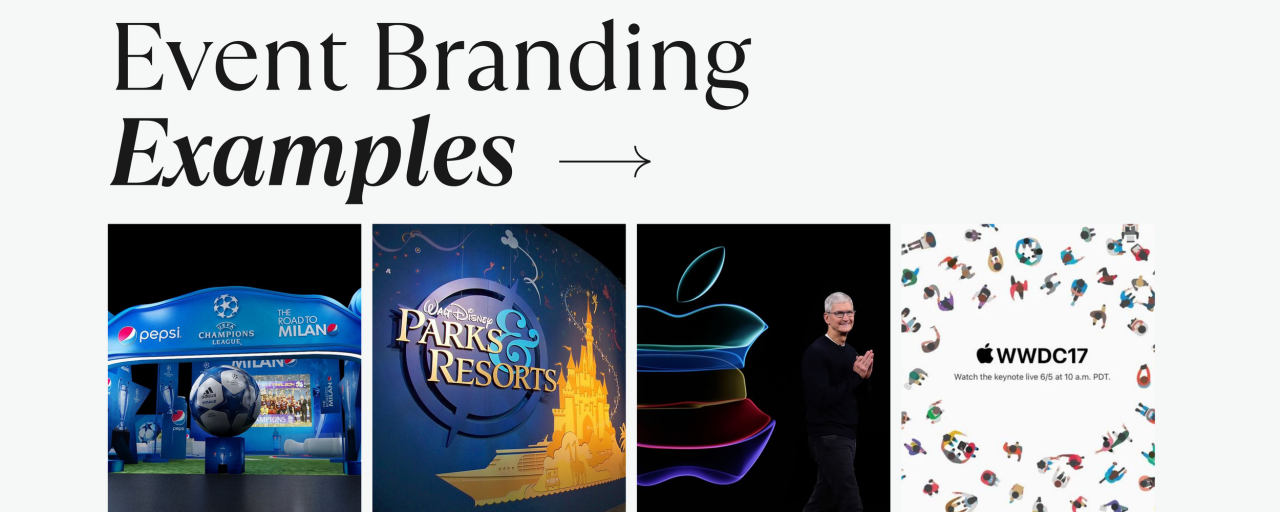
As we look ahead, the landscape of branding zones is set to evolve significantly, influenced by shifting consumer preferences, technological advancements, and a growing emphasis on sustainability. To remain competitive, brands must adapt and innovate, embracing new methodologies and tools that reflect the changing dynamics of the market.Technology will play a pivotal role in shaping the future of branding zones.
With the rise of artificial intelligence (AI), augmented reality (AR), and virtual reality (VR), brands can create immersive experiences that engage customers in unprecedented ways. These technologies allow for personalized interactions and tailored content, making branding zones more dynamic and responsive to individual consumer needs.
Emerging Trends Influencing Branding Zones
Several trends are likely to drive the evolution of branding zones in the coming years. Understanding these trends will help brands strategize effectively.
- Personalization: The demand for personalized brand experiences is increasing. Brands will utilize data analytics and AI to create customized experiences that resonate with individual consumers.
- Integration of E-commerce: As online shopping continues to grow, branding zones will merge with e-commerce platforms, allowing for seamless transitions from branding to purchasing.
- Community Engagement: Brands will focus on building communities within their branding zones, fostering loyalty and engagement through interactive platforms and social media connections.
- Experiential Marketing: Future branding zones will emphasize immersive experiences that allow consumers to engage with the brand on a deeper level, blurring the lines between digital and physical spaces.
The Role of Technology in Branding Zones
Technology is not just a tool; it is a transformative force that will redefine how branding zones operate. Key technological advancements include:
- Artificial Intelligence: AI will enable brands to analyze consumer behavior and preferences, facilitating more effective targeting and communication strategies.
- Augmented and Virtual Reality: AR and VR can create captivating experiences, allowing consumers to visualize products in their environment and interact with brands in novel ways.
- Blockchain Technology: With its ability to enhance transparency and trust, blockchain can revolutionize loyalty programs and ensure authenticity in brand messaging.
Sustainability Integration in Branding Zones
Sustainability is becoming a critical concern for consumers and brands alike. Integrating sustainable practices into branding zones is not only essential for ethical reasons but also for maintaining competitiveness in the marketplace.
- Eco-friendly Materials: Brands will increasingly adopt sustainable materials for their products and packaging, which will influence branding strategies and messaging.
- Ethical Practices: Transparency about sourcing and manufacturing processes will become paramount, with brands providing clear information about their sustainability efforts.
- Community Initiatives: Brands will engage in local environmental initiatives, building goodwill and loyalty among consumers who prioritize sustainability.
The future of branding zones hinges on a brand’s ability to innovate and adapt, ensuring they remain relevant in a rapidly changing landscape.
Final Wrap-Up
In conclusion, navigating the branding zone is essential for any business aiming to establish a memorable and influential presence. By leveraging effective strategies, understanding visual identity, and measuring success, brands can continuously refine their approach, ensuring they remain relevant and engaging in an ever-evolving landscape.
Commonly Asked Questions
What exactly is a branding zone?
A branding zone is a comprehensive space where a brand’s identity and customer experience intersect, enhancing brand perception and engagement.
Why is a branding zone important for businesses?
It helps businesses differentiate themselves and create a lasting connection with customers, ultimately driving loyalty and sales.
How can I assess the effectiveness of my branding zone?
You can evaluate it through customer feedback, brand perception metrics, and engagement levels across different platforms.
What role does visual identity play in a branding zone?
Visual identity significantly impacts how customers perceive a brand; it should be cohesive and resonate with the target audience.
Can technology influence branding zones?
Absolutely, technology plays a crucial role in shaping branding zones, from digital marketing tools to data analytics that enhance customer engagement.