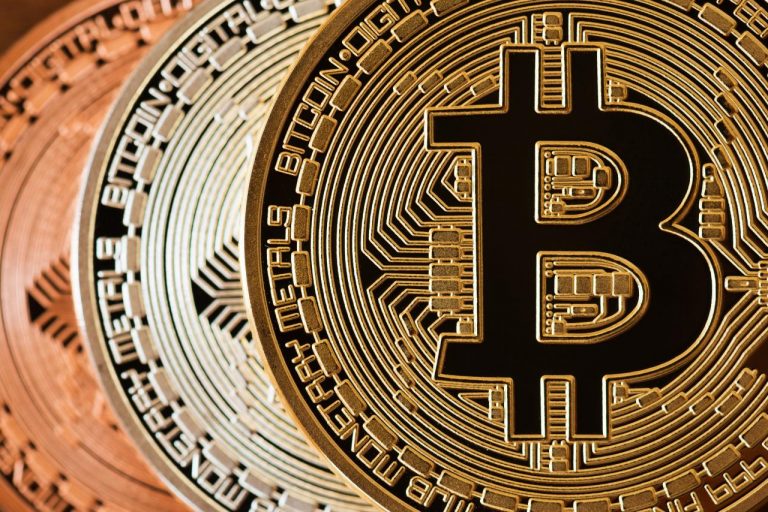
Bitcoin, a revolutionary digital currency, has captured global attention. Its fluctuating price, driven by complex market forces, presents both opportunities and risks for investors. This guide dives deep into understanding Bitcoin’s price dynamics and the various methods available for acquiring it, from established exchanges to peer-to-peer platforms.
This comprehensive resource explores the intricacies of Bitcoin’s value and the essential steps involved in purchasing and securely holding it. We’ll examine different approaches, outlining their respective advantages and disadvantages to equip you with the knowledge to make informed decisions.
Introduction to Bitcoin Price and Purchasing
Bitcoin’s value, unlike traditional currencies, isn’t pegged to a government or commodity. Instead, it relies on cryptographic principles and a decentralized network, making its price susceptible to various market forces. Understanding how Bitcoin’s value is determined, the factors influencing its price, and the different methods for acquiring it is crucial for any potential investor.Bitcoin’s price is primarily determined by supply and demand within the cryptocurrency market.
Factors such as investor sentiment, regulatory changes, technological advancements, and major adoption events significantly impact this dynamic equilibrium. These factors often interact in complex ways, leading to unpredictable price swings.
Bitcoin Value Determination
Bitcoin’s value is a complex interplay of factors, primarily influenced by market forces and investor sentiment. The decentralized nature of Bitcoin means its value isn’t tied to a central authority or a physical commodity. Instead, it’s determined by the collective assessment of its worth by participants in the cryptocurrency market. Factors driving the price fluctuate constantly, making predictions difficult.
Factors Influencing Bitcoin Price Fluctuations
Several factors contribute to the volatility of Bitcoin’s price. Investor confidence plays a crucial role, with positive news and increasing adoption potentially driving prices upward. Conversely, negative news, security breaches, or regulatory uncertainty can trigger significant price drops. Technological advancements, such as improvements in the Bitcoin network or the emergence of competing cryptocurrencies, can also influence the market.
Market sentiment, often fueled by news cycles and social media trends, is a key driver of price fluctuations.
Methods for Buying Bitcoin
Purchasing Bitcoin involves several methods, each with its own set of advantages and disadvantages. Exchanges are centralized platforms where users can buy and sell Bitcoin using fiat currency. Brokers often offer a broader range of financial products and services beyond cryptocurrency. Peer-to-peer (P2P) platforms allow direct transactions between buyers and sellers, often bypassing intermediaries.
Different Bitcoin Purchasing Methods
- Exchanges: Centralized exchanges are popular for their user-friendliness and liquidity. They facilitate quick transactions and provide a wide range of trading options. However, they involve entrusting your Bitcoin to a third-party platform, posing a potential security risk. The fees and commissions can vary greatly among different exchanges.
- Brokers: Brokerage platforms provide a gateway to Bitcoin investment alongside traditional assets. They often offer comprehensive trading tools and advanced research features. A wider range of financial instruments is available through brokers, potentially providing diversification opportunities. However, this comes with a trade-off, as user experience with cryptocurrency may be less intuitive than dedicated exchanges.
- P2P Platforms: Peer-to-peer (P2P) platforms connect buyers and sellers directly, eliminating intermediaries. They often offer potentially lower fees than exchanges. However, they typically involve more due diligence to ensure security and legitimacy of transactions, and security risks are increased if not conducted correctly.
Comparison of Bitcoin Purchasing Methods
| Method |
Pros |
Cons |
| Exchanges |
Ease of use, high liquidity, wide range of options |
Security risk, higher fees, potential for platform issues |
| Brokers |
Diversification opportunities, comprehensive trading tools, advanced research features |
Potentially less intuitive cryptocurrency experience, potentially higher fees compared to dedicated exchanges |
| P2P Platforms |
Potentially lower fees, direct interaction with sellers |
Increased security risks, more due diligence required, potential for scams |
Brief History of Bitcoin Development and Adoption
Bitcoin’s development began with the release of the whitepaper in 2008, introducing a novel concept of decentralized digital currency. Early adoption was slow, with limited understanding and accessibility. However, as the technology matured and more people embraced it, Bitcoin’s adoption grew, leading to the development of a broader cryptocurrency ecosystem. This rapid expansion attracted increased interest from institutional investors and sparked a global conversation about the future of finance.
Understanding Bitcoin Exchanges
Bitcoin exchanges are crucial intermediaries in the cryptocurrency market, facilitating the buying and selling of Bitcoin and other cryptocurrencies. They provide a platform for traders to execute transactions securely and efficiently, connecting buyers and sellers in a controlled environment. This structure reduces the complexity and risk inherent in peer-to-peer transactions, making it easier for individuals to participate in the cryptocurrency ecosystem.These platforms offer a centralized marketplace where users can access various cryptocurrencies, including Bitcoin.
They streamline the process of exchanging fiat currency (like dollars or euros) for Bitcoin, and vice-versa. This ease of access is a key driver for the growth of the cryptocurrency market, making it more accessible to a wider range of individuals.
Popular Bitcoin Exchanges
Numerous exchanges cater to traders worldwide, each with its own strengths and weaknesses. Recognized and well-established platforms provide a degree of trust and reliability for users.
- Binance: A globally recognized exchange known for its extensive selection of cryptocurrencies and low transaction fees, particularly for high-volume traders. It boasts a large trading volume, indicating a significant level of activity and liquidity. However, its global reach might introduce regulatory complexities in certain jurisdictions.
- Coinbase: A popular choice for beginners due to its user-friendly interface and robust security measures. It’s often praised for its beginner-friendly approach, but might not offer the same level of trading tools and features for advanced users.
- Kraken: A well-respected exchange, particularly for experienced traders, known for its advanced trading tools and robust security protocols. It excels in providing options for experienced traders and is often seen as a secure and reliable platform.
- Bitstamp: A notable European exchange often favored for its high security standards and reliable transaction processing. Its strong focus on security is a key factor for users seeking a trustworthy platform.
Security Measures on Reputable Exchanges
User funds security is paramount for any reputable exchange. Robust security protocols are crucial to protecting user assets.
- Cold Storage: Reputable exchanges utilize cold storage, storing a significant portion of their cryptocurrency holdings offline, reducing the risk of hacking and unauthorized access.
- Multi-factor Authentication (MFA): Security measures such as multi-factor authentication (MFA) are often employed to verify user identity and prevent unauthorized access to accounts.
- Insurance Policies: Many reputable exchanges have insurance policies in place to cover potential losses due to hacks or other security breaches, providing a safety net for users.
- Regular Security Audits: Regular security audits are conducted to identify and mitigate vulnerabilities, ensuring the exchange’s systems remain secure.
Account Creation and Verification
Creating an account and verifying identity on a Bitcoin exchange is generally a straightforward process.
- Account Registration: Typically involves providing personal information, including email address, username, and password.
- Verification Process: Verification involves confirming identity through various methods, such as providing government-issued identification documents (like a passport or driver’s license). This helps ensure the account belongs to the intended user.
- KYC (Know Your Customer) Procedures: These procedures are implemented to comply with regulations and reduce the risk of illicit activities. These procedures are critical to prevent fraudulent activities.
Bitcoin Exchange Comparison
A comparative overview of popular exchanges can aid in selecting the most suitable platform.
| Exchange |
Fees |
Trading Volume |
User Reviews |
| Binance |
Low |
High |
Mixed (high volume, some issues) |
| Coinbase |
Moderate |
High |
Positive (beginner-friendly) |
| Kraken |
Moderate |
High |
Positive (advanced features) |
| Bitstamp |
Moderate |
Medium |
Positive (security-focused) |
Bitcoin Trading Platforms
Bitcoin trading platforms serve as intermediaries for buying and selling Bitcoin, streamlining the process compared to directly interacting with exchanges. These platforms often offer user-friendly interfaces and advanced tools for traders, making them a popular choice for both beginners and experienced investors. They provide a centralized environment for managing Bitcoin holdings and executing trades, often incorporating various features beyond simple buying and selling.Platforms typically offer a range of features, including charting tools, order types, and potentially leverage and margin trading.
Understanding these features is crucial for making informed decisions in the dynamic world of Bitcoin trading.
Trading Platform Features
Bitcoin trading platforms offer a suite of tools and features beyond basic buying and selling, often catering to various trading styles. These features aim to enhance the user experience and provide tools for navigating market fluctuations effectively.
Comparison to Exchanges
While Bitcoin exchanges facilitate transactions, trading platforms offer a more focused environment for active trading. Exchanges generally provide a wider range of cryptocurrencies and potentially more trading volume, but platforms may offer specialized tools for specific strategies. The key distinction lies in the level of service and the focus on trading activity rather than a comprehensive crypto market.
Leverage and Margin Trading
Some platforms allow for leverage and margin trading, enabling traders to control larger positions with less capital. This can amplify potential profits but also increases the risk of substantial losses. Understanding the risks associated with leverage is paramount before employing this feature. Leverage magnifies both gains and losses. For example, a 2x leverage position will double both profits and losses relative to a non-leveraged trade.
Common Trading Strategies
Various strategies exist for Bitcoin trading, from simple buy-and-hold approaches to more complex techniques involving technical analysis and market timing. Popular strategies include trend following, swing trading, and day trading, each with its own risk profile. These strategies require a good understanding of market dynamics and appropriate risk management.
Platform Feature Comparison
| Feature |
Description |
Example |
| Charting Tools |
Graphical representations of price movements over time, often with indicators and technical analysis tools. |
Candlestick charts, moving averages, Relative Strength Index (RSI). |
| Order Types |
Different ways to place orders, such as market orders, limit orders, stop-loss orders, and stop-limit orders. |
A market order executes immediately at the current price; a limit order buys or sells at a specified price or better. |
| Leverage |
The ability to control a larger position with a smaller amount of capital. |
2x leverage allows traders to control $20,000 worth of Bitcoin with only $10,000. |
| Margin Trading |
Trading with borrowed funds, typically secured by existing assets. |
Margin trading allows for larger positions than available capital would normally allow. |
| Security Measures |
Security protocols to protect user funds and assets. |
Two-factor authentication, encryption, cold storage. |
Peer-to-Peer (P2P) Bitcoin Trading
Peer-to-peer (P2P) Bitcoin trading offers a direct connection between buyers and sellers, bypassing the intermediary role of traditional exchanges. This method allows for greater control and potentially lower fees compared to using centralized platforms. However, it also introduces unique security considerations and requires more due diligence.P2P Bitcoin trading facilitates direct transactions between individuals. Instead of using a centralized platform, buyers and sellers negotiate and execute trades directly.
This differs significantly from exchanges, where users interact with a platform that acts as a middleman. Understanding the nuances of P2P trading is crucial for those looking to buy or sell Bitcoin outside the traditional exchange framework.
Understanding the Concept of P2P Bitcoin Trading
P2P Bitcoin trading operates on the principle of direct negotiation and exchange between individuals. Buyers and sellers utilize specific platforms that connect them, facilitating the transaction. This process allows users to circumvent the typical fees associated with centralized exchanges.
Advantages of P2P Trading Compared to Exchanges
P2P trading often presents lower transaction fees compared to centralized exchanges. Users have greater control over the transaction process and can potentially negotiate better terms. The direct interaction allows for faster transactions, as intermediaries are not involved.
Disadvantages of P2P Trading Compared to Exchanges
P2P trading carries a higher risk of fraud and scams. Due diligence is crucial to verify the legitimacy of sellers and buyers. Users are responsible for their own security and risk management, unlike using exchanges where the platform assumes some responsibility. Finding reliable sellers and buyers can take time and effort.
Finding and Verifying Sellers/Buyers in P2P Markets
Identifying trustworthy sellers and buyers in P2P markets is paramount. Platforms often have verification systems, but users should be cautious and thoroughly review seller profiles. Using multiple verification methods and seeking reviews from past participants is recommended. Users should thoroughly research sellers and buyers to ensure legitimacy and verify their accounts.
Security Risks Involved in P2P Transactions
Security is a major concern in P2P transactions. Scams, fraud, and identity theft are potential risks. Users must employ robust security measures and exercise caution when dealing with unknown parties. It’s vital to understand the potential risks associated with sending funds to unknown individuals or entities. Utilizing secure payment methods and platforms is crucial.
Comparison of P2P Platforms and Centralized Exchanges
| Feature |
P2P Platforms |
Centralized Exchanges |
| Transaction Fees |
Potentially lower |
Higher, often with varying tiers |
| Security |
Higher risk of fraud, user responsibility |
Lower risk of fraud, platform assumes responsibility |
| Transaction Speed |
Potentially faster |
Variable depending on exchange |
| User Control |
Greater control over transaction process |
Limited control over transaction process |
| Regulation |
Varying levels of regulation |
Higher levels of regulation |
Cryptocurrency Overview
Cryptocurrencies represent a novel class of digital assets, fundamentally different from traditional forms of money. They leverage innovative technologies to facilitate secure and decentralized transactions, often bypassing traditional financial institutions. This decentralized nature, while presenting exciting opportunities, also brings unique challenges and complexities.Understanding the core technology, diverse landscape, and regulatory environment surrounding cryptocurrencies is crucial for anyone considering investment or participation in this evolving space.
This section delves into the specifics, exploring the technology, various cryptocurrencies, regulatory aspects, and potential implications.
Technology Behind Cryptocurrencies
Cryptocurrencies rely on blockchain technology, a distributed ledger system that records and verifies transactions across a network of computers. This distributed nature enhances security and transparency, as no single entity controls the system. Each transaction is cryptographically linked to the previous one, creating a chain of immutable records. This inherent immutability and transparency are core to the appeal and functionality of cryptocurrencies.
Different Cryptocurrencies
Beyond Bitcoin, a plethora of alternative cryptocurrencies, or “altcoins,” exist, each with unique characteristics and potential applications. These include Ethereum, Litecoin, Ripple, and many others. These altcoins often target specific niches or utilize different consensus mechanisms or functionalities, creating a diverse and dynamic market. Comparing and contrasting these altcoins can help investors understand their unique value propositions.
For example, Ethereum is known for its smart contract functionality, allowing for the creation of decentralized applications (dApps), while Litecoin emphasizes faster transaction speeds.
Regulatory Landscape
The regulatory landscape surrounding cryptocurrencies is complex and evolving globally. Different jurisdictions have adopted varying approaches to regulating this emerging asset class, ranging from outright bans to more permissive frameworks. The lack of uniform global regulations presents both opportunities and risks for investors. Some jurisdictions are implementing comprehensive frameworks for licensing and oversight, while others are adopting more cautious approaches, awaiting further developments and research.
Potential Benefits and Risks
Investing in cryptocurrencies carries inherent benefits and risks. Potential benefits include the possibility of substantial returns, access to a decentralized financial system, and potential for innovation in financial services. However, cryptocurrencies are highly volatile and prone to significant price fluctuations, posing substantial risk to investors. Historical examples of significant price swings underscore the unpredictable nature of the market.
Thorough research and risk assessment are essential before entering the cryptocurrency market.
Comparison of Cryptocurrencies
| Cryptocurrency | Key Features | Use Cases ||—|—|—|| Bitcoin | Decentralized, secure, limited supply | Digital currency, store of value || Ethereum | Smart contracts, decentralized applications (dApps) | Decentralized finance (DeFi), non-fungible tokens (NFTs) || Litecoin | Faster transaction speeds | Peer-to-peer payments || Ripple | Cross-border payments | Facilitating international transactions |Note that this table is not exhaustive and represents a small selection of cryptocurrencies.
The cryptocurrency market is vast and constantly evolving.
Setting up a Bitcoin Wallet
A Bitcoin wallet is a crucial component for anyone interacting with the cryptocurrency. It serves as a digital repository for your Bitcoin holdings, allowing you to send and receive transactions securely. Choosing the right wallet and understanding its security implications is paramount for safeguarding your investment.A secure Bitcoin wallet is essential to protect your digital assets from theft and unauthorized access.
Compromised wallets can lead to significant financial losses. Different types of wallets offer varying levels of security and usability, so understanding the options is key to making an informed decision.
Importance of Wallet Security
Protecting your Bitcoin holdings is paramount. A compromised wallet can result in irreversible loss of your Bitcoin. Thorough security measures are necessary to prevent unauthorized access and ensure the safety of your funds. A well-secured wallet minimizes the risk of theft, scams, and other cyber threats. Robust security practices are essential for maintaining control over your Bitcoin.
Different Types of Bitcoin Wallets
Bitcoin wallets come in various forms, each with its own set of advantages and disadvantages. Software wallets run on your computer or mobile device, while hardware wallets are physical devices specifically designed for secure Bitcoin storage. Understanding the differences in these wallet types is crucial for making the best choice.
- Software Wallets: These wallets are often free to download and use, making them accessible to a broad range of users. They typically reside on your computer or mobile device. They provide a user-friendly interface for managing your Bitcoin holdings. However, their security relies heavily on the security of your device and your adherence to best practices.
- Hardware Wallets: These wallets are physical devices designed to store your private keys offline. This offline storage significantly enhances security by reducing the risk of hacking or malware targeting your computer or mobile device. They often have more advanced security features compared to software wallets. Examples include Ledger Nano S and Trezor.
Setting Up a Software Wallet (Example: Electrum)
Setting up a software wallet typically involves downloading the wallet application from the official website, creating a wallet by setting a password and confirming your identity, and backing up your private keys. It’s crucial to keep a secure backup of your private keys in a safe, offline location. The backup process varies slightly depending on the specific wallet.
Setting Up a Hardware Wallet (Example: Ledger Nano S)
Hardware wallets typically involve connecting the device to your computer, generating a recovery phrase, and writing down the recovery phrase in a secure, physical location. The recovery phrase serves as a backup in case the device is lost or damaged. It is crucial to write down the recovery phrase in multiple locations and keep them physically secure. Hardware wallets offer enhanced security because the private keys are never transmitted to a computer or online server.
Security Measures for Bitcoin Wallets
Implementing robust security measures is crucial for protecting your Bitcoin holdings. These measures include:
- Strong Passwords: Use complex, unique passwords for your wallet and any associated accounts.
- Two-Factor Authentication (2FA): Enable 2FA for added security to prevent unauthorized access.
- Regular Software Updates: Keep your wallet software up-to-date to benefit from security patches and improvements.
- Offline Backups: Back up your private keys or recovery phrase offline and in a secure location.
- Avoiding Phishing Attacks: Be wary of suspicious emails or websites that attempt to gain access to your private information.
Bitcoin Wallet Security Comparison
| Wallet Type |
Security Features |
| Software Wallet |
User-friendly interface, often free. Security relies on device and user practices. |
| Hardware Wallet |
Offline storage of private keys, enhanced security against malware and hacking. |
Bitcoin Price Analysis and Prediction
Bitcoin’s price is notoriously volatile, influenced by a complex interplay of factors. Understanding these dynamics is crucial for anyone considering investment in or trading of Bitcoin. Accurate analysis of historical data and the application of various indicators can provide valuable insights into potential future price movements. However, no method guarantees precise predictions in the volatile cryptocurrency market.Analyzing Bitcoin’s price necessitates a deep understanding of the market forces driving its fluctuations.
These forces are multifaceted, encompassing technological advancements, regulatory changes, and overall market sentiment. A thorough understanding of these factors and the interplay between them is critical for developing effective analysis and prediction strategies.
Factors Affecting Bitcoin Price Movements
Various factors contribute to the fluctuating price of Bitcoin. These include market sentiment, regulatory developments, technological innovations, and overall economic conditions. Market sentiment, for instance, can swing dramatically based on news reports, social media trends, and investor confidence.
- Market sentiment plays a pivotal role in Bitcoin’s price fluctuations. Positive news or social media buzz can lead to upward price movements, while negative sentiment can trigger downturns.
- Government regulations concerning cryptocurrencies can significantly influence market stability and confidence. Changes in regulations can lead to either increased adoption or decreased investor interest, affecting the price.
- Technological advancements in the cryptocurrency space, such as the development of new blockchain technologies or the expansion of its applications, can impact the price positively. Conversely, security breaches or vulnerabilities can lead to negative price reactions.
- Broader economic conditions, such as inflation rates, interest rates, and global economic uncertainties, can impact the cryptocurrency market, including Bitcoin.
Analyzing Historical Bitcoin Price Data
Historical price data provides a valuable resource for understanding Bitcoin’s price trends. Various tools and techniques can be employed to analyze this data.
- Identifying trends, both short-term and long-term, is a crucial aspect of historical price analysis. Visual representations, such as charts and graphs, facilitate the identification of these trends.
- Calculating key statistical measures, such as average price, standard deviation, and maximum/minimum values, offers insights into price volatility and potential future price ranges.
- Recognizing patterns and anomalies in the data helps in understanding potential price fluctuations. Unusual price movements might signal market corrections, sudden shifts in investor sentiment, or regulatory events.
Indicators for Predicting Future Price Movements
Several indicators can be used to assess the potential for future price movements. These indicators are often used in conjunction with other analysis methods.
- Moving averages, which smooth out price fluctuations, can reveal the overall trend of the market.
- Relative strength index (RSI) can indicate market overbought or oversold conditions, potentially signaling future price changes.
- Volume analysis examines the trading volume alongside price changes. High trading volume often accompanies significant price movements.
Comparing Analysis Tools and Techniques
Various tools and techniques are available for analyzing Bitcoin price data.
- Spreadsheet software, such as Microsoft Excel or Google Sheets, can be used for basic calculations and visualizations.
- Specialized charting platforms provide sophisticated tools for technical analysis, such as trend lines, support/resistance levels, and indicators.
- Quantitative analysis tools, such as statistical modeling and machine learning algorithms, can be employed for more complex price prediction models.
Bitcoin Price Trends Over Time
The table below illustrates Bitcoin’s price trends across various time periods.
| Time Period |
Approximate Average Price (USD) |
Price Volatility |
| 2010-2013 |
Low |
High |
| 2014-2017 |
Moderate |
Moderate |
| 2018-2020 |
Fluctuating |
High |
| 2021-Present |
High |
Moderate to High |
Essential Safety Measures for Bitcoin Purchases
Protecting your Bitcoin investments requires vigilance and proactive measures. Scams and fraudulent activities targeting cryptocurrency investors are unfortunately common. Understanding the risks and implementing robust security practices are crucial for safeguarding your digital assets.Safeguarding your Bitcoin investments involves more than just understanding how to buy and sell; it’s about understanding how to protect your assets from various threats.
A layered approach, incorporating strong passwords, two-factor authentication, and awareness of phishing tactics, is essential. Furthermore, reliable information sources are critical for making informed decisions.
Strong Passwords and Authentication
Strong passwords are the first line of defense against unauthorized access to your accounts. Avoid using easily guessable passwords, such as your birthdate or pet’s name. Instead, employ a combination of uppercase and lowercase letters, numbers, and symbols. Consider using a password manager to generate and store complex passwords securely. Activating two-factor authentication (2FA) adds an extra layer of security.
This requires a second verification method, often a code sent to your phone or email, beyond your password. This significantly reduces the risk of unauthorized access even if a password is compromised.
Phishing Attacks
Phishing attacks, which involve fraudulent attempts to acquire sensitive information, are a significant threat. Be wary of emails, messages, or websites that ask for your login credentials, private keys, or other sensitive information. Verify the authenticity of any communication requesting personal information. Legitimate platforms will not request sensitive information through unsolicited messages. Always check the website’s URL carefully to ensure it is the correct and official address.
Reliable Information Sources
Staying informed about Bitcoin and related topics is vital. However, not all information sources are reliable. Seek information from reputable financial news outlets, academic institutions, and established cryptocurrency communities. Be cautious of social media posts, forums, or blogs that promise unrealistic returns or promote overly complex or risky strategies. Consider consulting with a qualified financial advisor to get professional guidance.
Safeguarding Your Bitcoin Investments
- Regularly monitor your accounts: Keep track of your transactions and balance to detect any suspicious activity promptly. Set up alerts for significant transactions or account changes.
- Use reputable exchanges and wallets: Choose platforms with robust security measures and a proven track record. Research and compare different options before making a decision. Look for platforms with strong security measures like two-factor authentication and encryption.
- Keep your software updated: Regularly update your operating system, applications, and software to patch security vulnerabilities.
- Be cautious of unsolicited offers: Avoid engaging with anyone offering unrealistic returns or unusually easy ways to make money with Bitcoin. Never share your private keys or passwords with anyone.
- Use a secure internet connection: Avoid using public Wi-Fi networks when accessing your cryptocurrency accounts or performing transactions.
Final Summary
Navigating the world of Bitcoin investments requires a thorough understanding of the market forces at play. This guide has provided a framework for understanding Bitcoin price fluctuations and the various methods for acquisition. By understanding the nuances of exchanges, platforms, and peer-to-peer trading, along with essential safety precautions, you can make well-informed decisions about your Bitcoin investments.
Clarifying Questions
What are the common security risks associated with peer-to-peer Bitcoin transactions?
Peer-to-peer transactions can involve higher security risks due to the decentralized nature of these transactions. Verification of seller identity and the protection of your funds are crucial considerations, as scams and fraudulent activities can occur. Thorough research and cautious verification of sellers/buyers are vital.
What factors influence Bitcoin’s price fluctuations?
Bitcoin’s price is affected by a multitude of factors, including market sentiment, regulatory changes, technological advancements, and news events. Volatility is inherent in the cryptocurrency market.
How do I choose a reliable Bitcoin exchange?
Reputable exchanges prioritize security measures, have a proven track record, and offer transparent fee structures. Researching user reviews and comparing exchange features (like trading volume and security measures) is essential before selecting a platform.
What are the different types of Bitcoin wallets?
Bitcoin wallets come in various forms, including software wallets (like Electrum or Exodus), hardware wallets (like Ledger or Trezor), and online wallets. Each type has its own security features and level of control.